According to American Sleep Association, 50 to 70 million American adults have a sleep disorder. Insomnia is the most common sleep disorder among these individuals. Nearly 30 percent experience short-term insomnia and 10 percent struggle with chronic insomnia. According to the Department of Health and Human Services, combining oxycodone https://ecosoberhouse.com/ with alcohol can lead to respiratory depression (slowed breathing or cessation of breathing). Lack or loss of oxygen can lead to paralysis, nerve damage, kidney failure, fluid build-up in the lungs, pneumonia, or death. Not only that but drinking profoundly alters your mood, behavior, and neuropsychological functioning.
- Treatment centers see teenage patients struggling with addiction to many different types of drugs.
- Some have been around for decades or even centuries, while others have just cropped up in recent years.
- The information we provide is not intended to be a substitute for professional medical advice, diagnosis or treatment.
- In addition to worsening the side effects of antidepressant medications, mixing these drugs with alcohol can also make symptoms of depression worse.
Angina (ischemic chest pain) is caused by reduced blood flow to the heart. If you have angina, you might be prescribed a medication called nitroglycerin. It’s important that you don’t mix alcohol with any of the following medications. Alcohol and medicines can interact harmfully even if they are not taken at the same time.
How Alcohol Affects Family Relationships
The impact of drugs on the brain are different depending on the drug. Signs of withdrawal start within hours to days after they last used the drug. Withdrawal symptoms will depend on which type of drug your teen is using.
How Aid in Dying Became Medical, Not Moral – The New York Times
How Aid in Dying Became Medical, Not Moral.
Posted: Tue, 24 Oct 2023 07:00:18 GMT [source]
Combining alcohol with Concerta, Ritalin, or Focalin can worsen concentration. Adderall, Dexedrine, and Vyvanse can increase a person’s risk for heart problems. Always consult your healthcare provider to ensure the information displayed on this page applies to your personal circumstances. And remember, alcohol and medicines can have harmful interactions even if they are separated and taken at different times of the day. The list of possible drug and alcohol interactions goes on, so being proactive in checking for interactions and discussing with your doctor or pharmacist is the best way to prevent harm. If you had an alcoholic beverage and are not sure if you should take an OTC pain reliever, you can ask a local pharmacist or primary care provider if it is safe to do so.
Effects of Alcoholism on Families
Alcohol, like some medicines, can make you sleepy, drowsy, or lightheaded. Drinking alcohol while taking medicines can intensify these effects. You may have trouble concentrating Alcohol and Pills or performing mechanical skills. Small amounts of alcohol can make it dangerous to drive, and when you mix alcohol with certain medicines you put yourself at even greater risk.
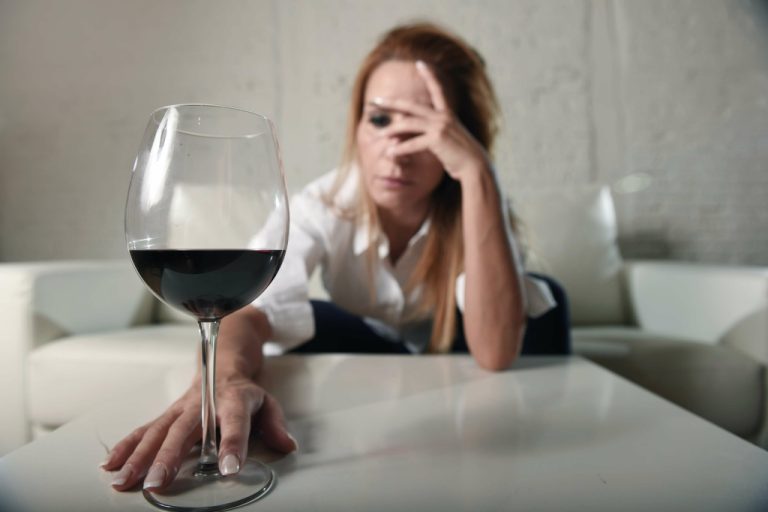
More intense side effects mean you might be more impaired after having one drink than you would typically be. Additionally, drinking alcohol can also make the side effects of a medication worse or even cause new symptoms. This is especially true if you are taking a medication that makes you sleepy or causes sedation. The mixture of opiates and alcohol, for example, can cause your breathing to stop and is a common cause of death. Stress is heavy — and as we mentioned earlier, teens today are outrageously stressed out.
Cholesterol Medications
Teen alcohol abuse can be treated the same as any substance use disorder. Treatment centers offer medical detox as well as drug and alcohol addiction treatment. Many facilities are specialized and exclusively treat teen drug addiction and alcohol abuse. Moderate alcohol consumption may be allowable with many heart medications. However, it’s important to check with your doctor and pharmacist when a new medicine is prescribed to check for any alcohol-related drug interactions.
You may need to wait for your infection to resolve before starting or restarting Sotyktu. Do not stop taking Sotyktu if your side effects aren’t going away. If you’re concerned about the side effects you’re experiencing and how long they may last, talk with your doctor or pharmacist. They can recommend tips to help manage side effects or suggest a different treatment option for your plaque psoriasis. Problems caused by alcoholism don’t resolve themselves, and solutions to family problems usually require buy-in from all family members.
Medical intervention—such as naloxone treatment—is required in case of overdose to avoid death. That’s why individuals who drink too much alcohol often slur their speech or stumble around a bit. These effects are generally temporary and do not cause permanent damage. This CME/CE credit opportunity is jointly provided by the Postgraduate Institute for Medicine and NIAAA. In short, alcohol and pain medication are a deadly combination, so it’s best not to mix them. In addition, the older we get, the more likely we are to be taking one or more medications that could interact with alcohol.
Working to stop alcohol use to improve quality of life is the main treatment goal. Because the body’s ability to break down alcohol worsens with age, alcohol stays in the body longer. Older people are also more likely to be prescribed medication that interacts with alcohol in the first place. Antidepressants can cause drowsiness and dizziness that can be made worse with alcohol. Mixing any of the antidepressants below with alcohol can also increase feelings of depression or hopelessness.
